

















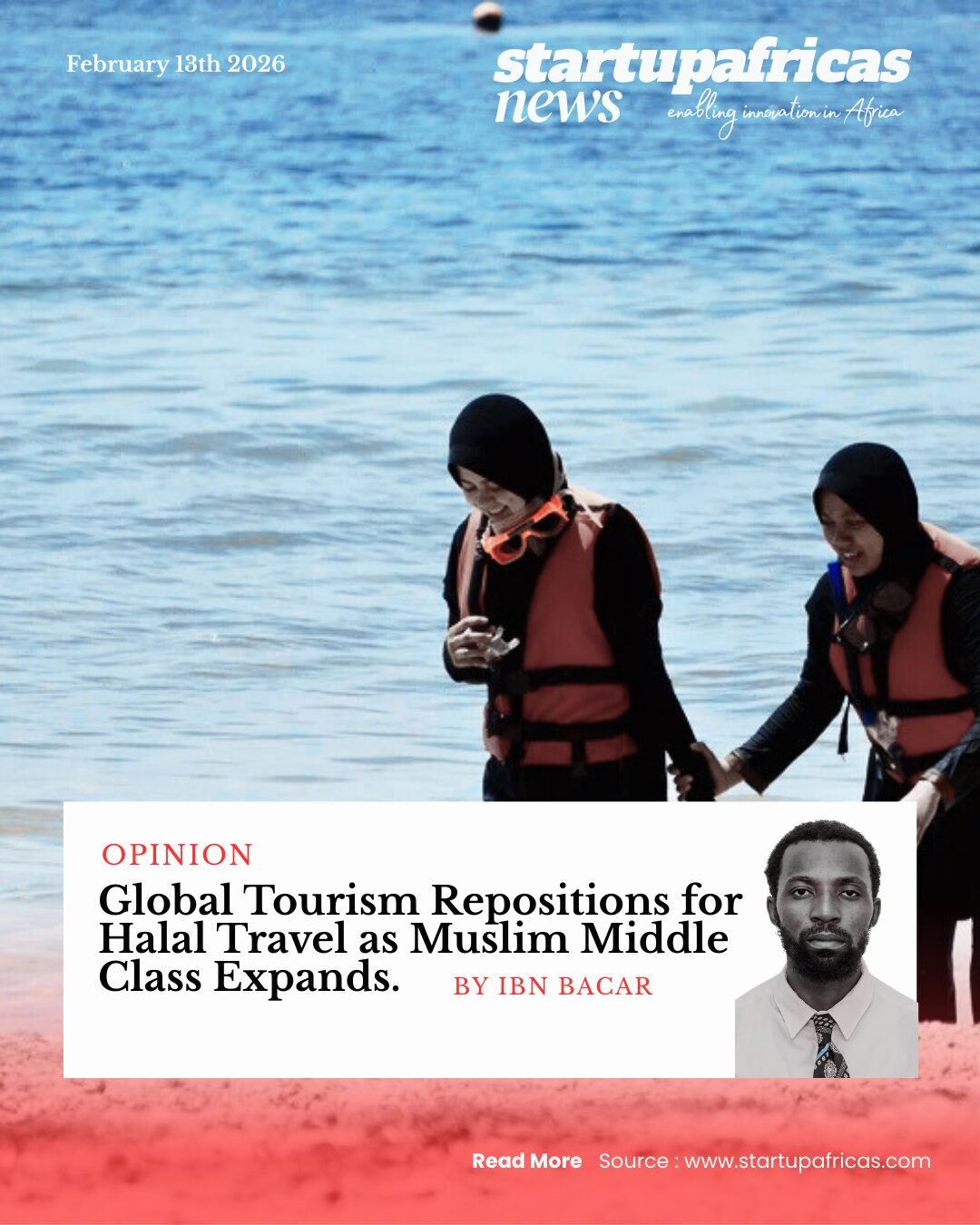
The global tourism industry is undergoing a quiet but significant recalibration. As the Muslim middle class expands and younger travellers enter their prime travel years, halal-conscious tourism is moving from a niche offering to a mainstream growth strategy.
The wider halal economy is already valued at more than $2 trillion and is projected to reach $2.8 trillion in the coming years. Tourism is emerging as one of its most dynamic components, with destinations and tour operators increasingly adapting services to meet the lifestyle expectations of Muslim travellers — not only in Muslim-majority countries, but across global travel hubs.
Halal Tourism: Beyond Food to the Full Travel Experience
Halal tourism is often misunderstood as being limited to food. In reality, it represents a holistic travel framework shaped by faith, culture, and lifestyle. For Muslim travellers, a halal-friendly experience typically includes reliable access to halal dining, prayer facilities such as mosques or dedicated prayer rooms, and practical amenities like water access in restrooms for wudu (ablution).
In many destinations, this also extends to gender-sensitive leisure options, including women-only swimming hours, family-oriented beaches, or wellness spaces designed with privacy and modesty in mind. These features are not about restriction, but about comfort — allowing travellers to enjoy destinations without constantly negotiating religious boundaries.
Equally important is the surrounding environment. Halal tourism aims to minimise exposure to activities considered incompatible with Islamic values, such as alcohol-centric nightlife or gambling. The emphasis is reassurance rather than exclusion: clarity about what a destination offers enables travellers to make informed choices with confidence.
A Young, Mobile Market Driving Demand
Demographics are accelerating this shift. Nearly 70% of the global Muslim population is under the age of 40, creating a large, mobile generation with growing disposable income and a strong appetite for travel. As international mobility increases, so do expectations for services that recognise faith-based needs as part of modern travel, not an afterthought.
According to the Mastercard–CrescentRating Global Muslim Travel Index, halal travel is now among the fastest-growing segments of global tourism. Growth is being driven by younger travellers, women, and families seeking experiences that balance faith, culture, and contemporary travel preferences. Pilgrimage remains important, but leisure, wellness, and experiential travel are now firmly part of the halal tourism landscape.
What Tour Operators Are Learning
For tour operators, the opportunity is significant, but so is the responsibility. Success increasingly depends on transparency and operational credibility, not marketing labels. Clear communication around halal certification, prayer access, realistic itineraries, and considerations for Ramadan or prayer times has become essential.
Religious tourism illustrates the stakes. In early 2025, Saudi Arabia suspended the licenses of 1,800 foreign Umrah travel agencies for failing to meet service standards, highlighting the consequences of poor execution in faith-sensitive travel. Accuracy, reliability, and strong on-the-ground support are no longer optional.
Industry analysis from Salaam Gateway points to another critical factor: training. Many service failures stem not from missing infrastructure, but from gaps in cultural understanding. Tour guides and hospitality staff trained in prayer etiquette, modesty norms, halal food handling, and Ramadan operations are better equipped to deliver respectful, seamless experiences.
Women and Youth Are Redefining Halal Travel
Women and young Muslim travellers are reshaping the market’s priorities. Research by CrescentRating shows that these groups value safety, flexibility, digital convenience, and experiences that feel meaningful rather than limiting.
Secure transport, optional women-only experiences, transparent pricing, and culturally immersive itineraries increasingly influence destination choice. Above all, authenticity has emerged as the new benchmark. Muslim travellers are seeking genuine engagement with local cultures, not superficial gestures branded as “halal-friendly.”
Community-led experiences, informed storytelling, and honest communication build trust in a market where reputation, social media, and word-of-mouth carry significant weight.
A Market Built on Trust
As halal tourism expands beyond pilgrimage into leisure, wellness, and adventure travel, operators who invest in understanding, not just accommodation, will be best positioned to succeed. This is a market that values trust as much as experience, and where long-term growth depends on credibility, cultural intelligence, and consistent delivery.
For the global tourism industry, halal travel is no longer a side offering. It is becoming a core pillar of future growth in an increasingly diverse and values-driven travel economy.