














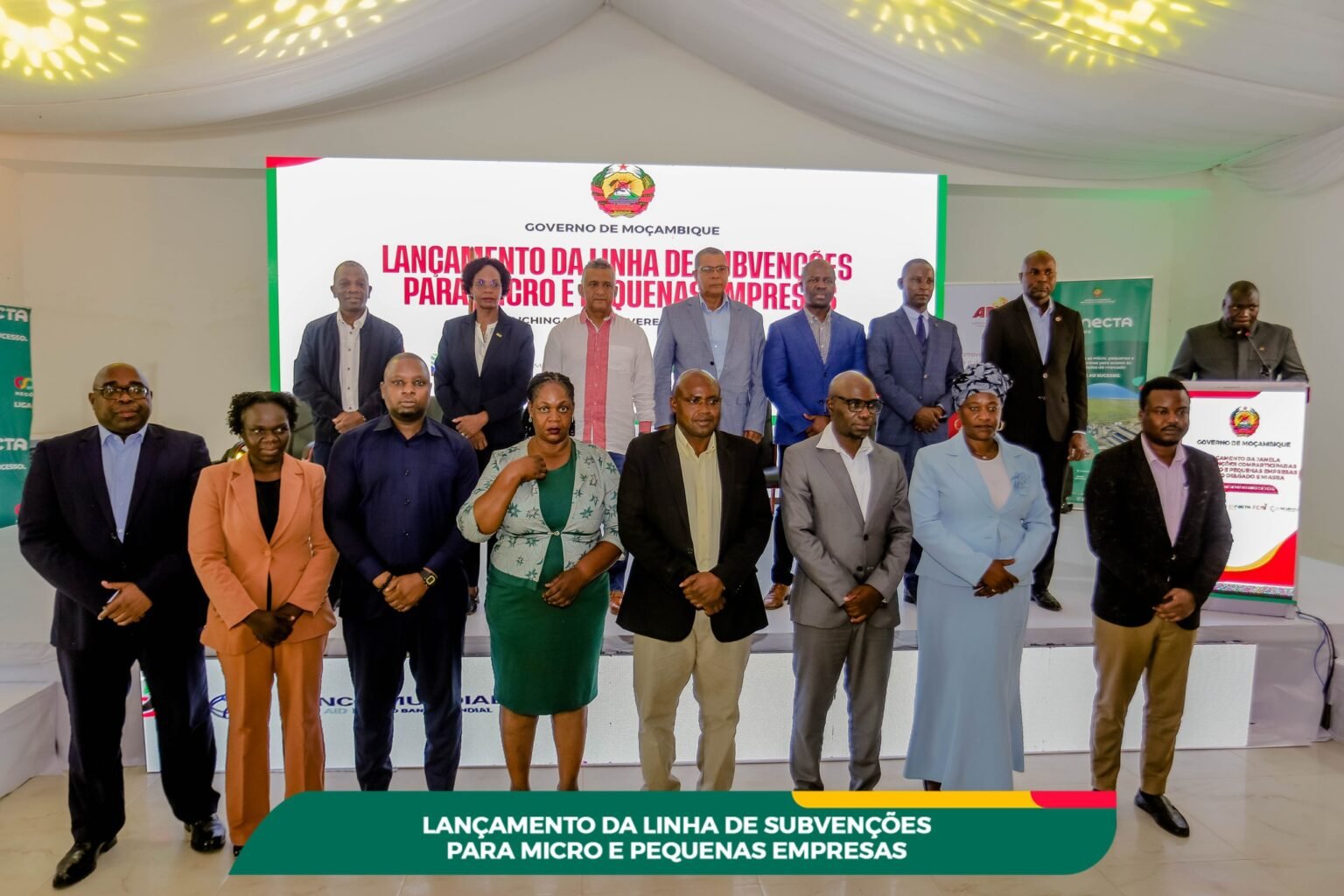
Northern Mozambique has received a fresh economic stimulus with the launch of a US$2 million financing line aimed at supporting micro and small enterprises in Cabo Delgado and Niassa. The initiative is led by the Agência de Desenvolvimento Integrado do Norte (ADIN) and is part of the Conecta Negócios programme.
In a region where entrepreneurs often face structural barriers, limited access to credit, low levels of formalisation, and underdeveloped markets. this funding line represents a tangible opportunity to energise local economies and strengthen the small business ecosystem.
The primary objective of the fund is to support economically viable business plans, with priority given to entrepreneurs who traditionally struggle to access formal financial services. The focus is on job creation, business consolidation, and increasing productive capacity, while encouraging greater formalisation of enterprises.
Although Cabo Delgado and Niassa account for a significant portion of Mozambique’s territory, both provinces still have relatively low formal business density. Targeted investment in micro and small enterprises is therefore a strategic move toward more balanced and decentralised economic growth.
The financing line targets sectors with strong employment and value-chain potential, including:
- Agribusiness and agro-processing
- Food production and fisheries
- Beekeeping
- Carpentry and construction
- Auto mechanics and electrical services
- Transport
- Small-scale manufacturing and tailoring workshops
- Sustainable tourism
These industries are deeply rooted in local economies and have the capacity to generate employment quickly, particularly when paired with training and business development support.
One of the most promising aspects of the initiative is its potential to reach young entrepreneurs and small operators at the base of the economic pyramid. Northern Mozambique has a predominantly young population, and many aspiring entrepreneurs lack not ideas, but access to start-up capital, mentorship, and market linkages.
If implemented with inclusive and transparent criteria, the fund could help transform informal initiatives into sustainable businesses—unlocking productivity and expanding income-generating opportunities for youth and local communities.
The long-term success of the programme will depend on transparent fund management, strong project selection processes, and measurable impact. Beyond disbursing capital, the goal is to nurture resilient enterprises capable of scaling and contributing meaningfully to regional development.
While primarily economic in nature, initiatives that expand employment and income opportunities also contribute indirectly to social stability. When communities experience tangible economic inclusion, vulnerabilities linked to exclusion and marginalisation tend to diminish.
Though US$2 million alone cannot resolve all structural challenges facing northern Mozambique, this initiative represents a meaningful step toward strengthening the region’s entrepreneurial ecosystem. By investing in micro and small enterprises, Mozambique reinforces the principle that sustainable development begins with empowering local businesses.
If effectively executed, this financing line could become a model for inclusive, regionally balanced growth, demonstrating how targeted investment in grassroots entrepreneurship can drive both economic vitality and broader community resilience.