















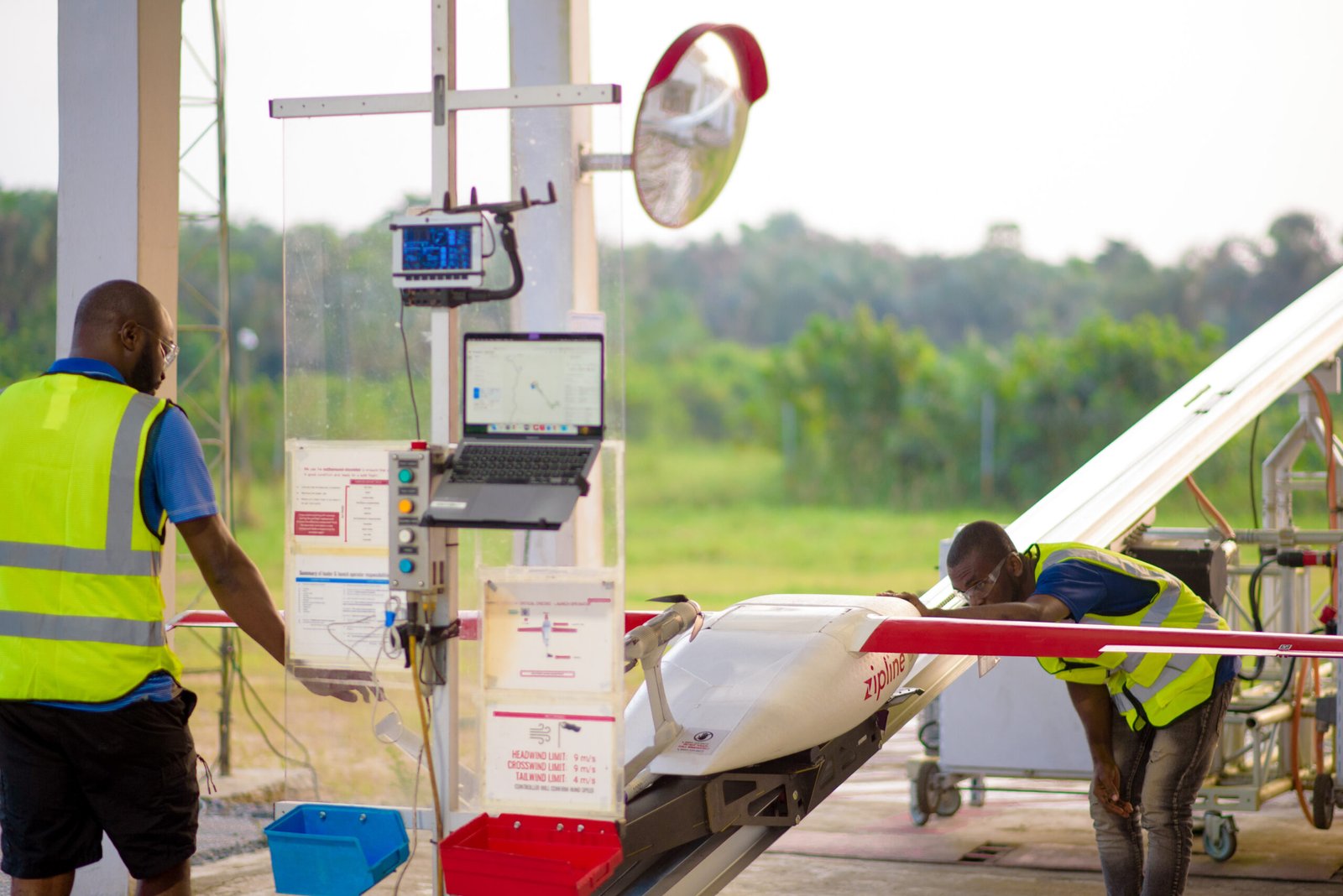
Kigali, 5 February 2026 — Rwanda has signed a landmark expansion agreement with Zipline that will make it the first country in the world to achieve full nationwide autonomous delivery coverage, including Africa’s first urban drone delivery network and the continent’s first autonomous delivery testing centre.
The agreement marks the first expansion milestone under Zipline’s USD 150 million pay-for-performance award from the U.S. Department of State. It builds on Rwanda’s pioneering role as the first country to deploy Zipline’s autonomous medical delivery service in 2016.
Under the new agreement, Zipline will extend its operations to dense urban environments—starting with Kigali—while expanding long-range delivery capacity to underserved western districts. The move reinforces Rwanda’s growing reputation as a global leader in applied innovation across healthcare, artificial intelligence and autonomous logistics.
“Rwanda and Zipline have worked for years to harness technology for public good,” said Paula Ingabire, Rwanda’s Minister of ICT and Innovation. “Drone delivery has proven its value in saving time, reducing costs and saving lives. Expanding into urban delivery allows us to bring these benefits to even more communities.”
Urban Delivery and Nationwide Coverage
Rwanda will be the first country in Africa to deploy Zipline’s Platform 2 (P2) urban delivery system, designed for fast, quiet and highly precise operations in dense cities. In Kigali alone, roughly 40% of national healthcare demand is concentrated. The system is already in use in the United States, delivering tens of thousands of retail and food items to homes, offices and public spaces.
The expansion also includes the construction of a third long-range distribution hub in Karongi District, complementing existing facilities in Muhanga and Kayonza. The new hub will serve districts beyond the Nyungwe Forest, including border regions near the Democratic Republic of Congo. Within Rwanda, it is expected to support around 200 health posts and 60 major health facilities, reaching more than 2.9 million people.
Once fully operational, Zipline’s network in Rwanda will cover over 11 million people nationwide and support approximately 350 local jobs.
“Rwanda pioneered autonomous logistics at national scale,” said Pierre Kayitana, Country Director of Zipline Rwanda. “This expansion creates a single, integrated system that serves urban and rural populations with the same level of reliability.”

Financing, Governance and Local Capacity
Under the agreement, the U.S. government will provide upfront infrastructure funding, while the Government of Rwanda will finance ongoing operations, ensuring long-term sustainability and national ownership. The model aligns with Rwanda’s broader strategy of building resilient, technology-driven public health systems without long-term dependency on external operators.
Zipline will also establish its first overseas AI and robotics research and development centre in Rwanda. The facility will test aircraft performance, safety systems and next-generation logistics software, while developing local engineering and technical talent and improving system performance across diverse climates.
Health Impact and Data Integration
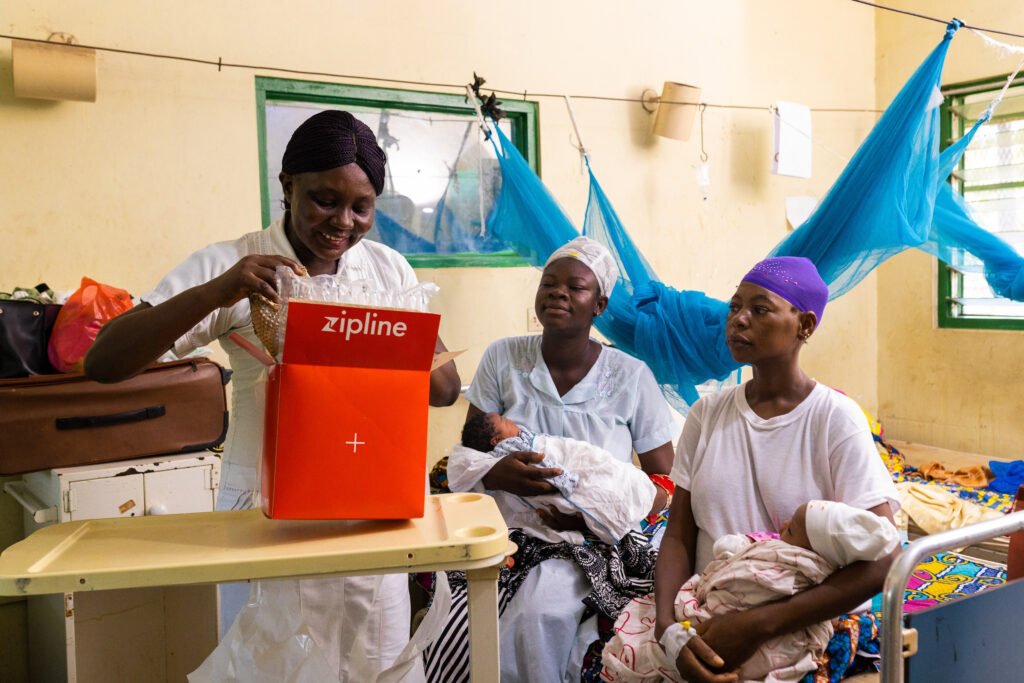
Zipline’s autonomous delivery network provides on-demand access to blood, vaccines and essential medicines, significantly reducing supply delays and waste. In Rwanda, the system has contributed to improved health outcomes, including a reported 51% reduction in maternal deaths in supported facilities.
All operational data from Zipline’s deliveries are integrated into Rwanda’s national health information and emergency response systems, strengthening real-time visibility, outbreak detection and coordinated response. This capability aligns with Africa CDC’s vision for resilient, technology-enabled health systems across the continent.
A Global Test Case
Rwanda’s nationwide deployment demonstrates that autonomous delivery can operate at scale as part of a government-led public service, rather than as a pilot or private experiment. As African countries seek cost-effective ways to expand healthcare access and logistics efficiency, Rwanda’s model is increasingly viewed as a global reference point.